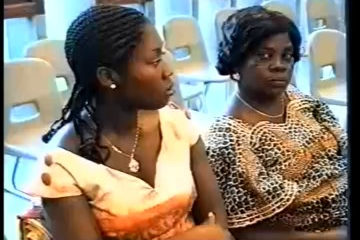
Description: This film documents a combined celebration of the Homowo, Asafotufiam and Ngmayem festivals held by the GaDangme community in the UK. The celebration was held in Tooting, London, in 2001. The event brought together Ga and Dangme people from across the diaspora, alongside a number of non-GaDangme participants, the event reflects the continuing importance of cultural traditions, language and community life among GaDangme people living in Britain. Organised by Nikasemo Asafo, one of the oldest continuously operating organisations dedicated to the preservation of GaDangme language and culture in the diaspora, the celebration combines three of the most significant festivals observed by the Ga and Dangme peoples. The film follows the day's activities as community members gather for processions, prayers, libations, dancing and cultural performances. A central feature of the recording is the Homowo ceremony, including the sprinkling of kpokpoi, the ceremonial food prepared specifically for the festival. This important ritual, performed alongside prayers and libations, is followed by communal feasting and social celebration. Traditional music and dancing continue throughout the event, creating an atmosphere of joy, remembrance and shared identity. The film captures both formal ceremonial activities and informal moments of interaction between families, friends and community members. Filmed without narration, interviews or subtitles, the recording offers an uninterrupted view of community life and cultural practice as it unfolds. Originally produced as a commemorative video for attendees to purchase and remember the occasion, it has since become an important historical record of GaDangme cultural life in London at the beginning of the twenty-first century. As a document of one of the diaspora's longest-standing cultural preservation organisations, the film provides valuable evidence of how Ga and Dangme traditions, languages and festivals have been maintained and celebrated beyond Ghana, while continuing to bring communities together across generations and backgrounds.
Credits: Botchway, Solo (Camera operator); Nettey, Emmanuel
Locations: Graveney School, Welham Road, Tooting, London
0:52

1:43
2:34
3:26
4:16
5:08
5:59
6:50
7:41
8:32
9:23
10:14
11:05
11:55
12:46
13:37
14:28
15:19
16:10
17:01
17:52
18:43
19:34
20:26
21:17
22:08
22:59
23:50
24:41
25:32
26:22
27:14
28:05
28:55
29:46
30:38
31:28
32:19
33:10
34:01
34:52
35:43
36:34
37:25
38:16
39:07
39:58
40:49
41:40
42:31
43:22
44:14
45:05
45:56
46:47
47:38
48:29
49:20
50:11
51:02
51:52
52:43
53:34
54:25
55:16
56:07
56:58
57:50
58:40
59:31
60:22
61:13
62:04
62:55
63:46
64:38
65:28
66:20
67:10
68:01
68:52
69:43
70:34
71:25
72:16
73:07
73:58
74:50
75:41
76:32
77:23
78:14
79:05
79:56
80:47
81:38
82:29
83:20
84:11
85:02
85:53
86:44
87:35
88:26
89:17
90:08
90:59
91:50
92:41
93:32
94:23
95:14
96:05
96:56
97:47
98:38
99:29
100:20
101:11
102:02
102:53
103:44
104:35
105:26
106:17
107:08
107:59
108:50
109:41
110:32
111:23
112:14
113:04
113:55
114:46
115:37
116:28
117:19
118:10
119:01
119:52
120:43
121:34
122:25
123:17
124:07
124:59
125:50
126:41
127:32
128:23
129:14
130:05
130:56
131:47
132:38
133:29
134:20
135:11
136:02
136:52
137:43
138:34
139:26
140:17
141:08
141:59
142:50
143:41
144:32
145:23
146:14
147:05
147:56
148:46
149:37
150:28
151:19
152:10
153:01
153:52
154:43
155:34
156:25
157:16
158:07
158:58
159:50
160:41
161:32
162:23
163:14
164:05
164:56
165:47
166:38
167:29
168:20
169:11
170:02
170:53
171:44
172:35
173:26
174:17
175:08
175:59
176:50
177:41
178:32
179:23
180:14
181:05
181:56
182:47
183:38
184:28
185:20
186:11
187:02
187:53
188:44
189:35
190:26
191:17
192:08
192:59
193:50
194:41
195:32
196:23
197:14
198:05
198:56
199:46
200:37
201:29
202:20
203:11
204:02




Comments